
Cleveland Divorce Decree
Cleveland divorce decree searches run through Bradley County in the county seat, so the real starting point is the courthouse on Ocoee Street. That is helpful because Cleveland is already the center of the county record system. If you know a spouse name, a year, or a case number, you can make a direct ask and avoid wasting time. The city itself does not keep the divorce decree. The county court does. If the file is old, county history and state archives can help bridge the gap.
Cleveland Quick Facts
Cleveland Divorce Decree Search
The key Cleveland divorce decree office is the Bradley County Circuit Court Clerk at 155 North Ocoee Street, Suite 104. The county clerk is also in the same courthouse area on Ocoee Street, and that makes the records run simple once you are downtown. The research notes say divorce records are available through local and state agencies, but in-person request to the Circuit Court Clerk is the direct county path. That matters when you need the court order itself, not a short certificate.
The Bradley County courthouse is in Cleveland, so the city and county search are closely linked. The county research also notes that records start around 1864 and that earlier records may have been lost. That is an important caveat. It means a Cleveland divorce decree search can be straightforward for later years, but older cases may need a second step through archives or a state record route. If you are working from an old family lead, the year matters a lot.
For the official county source, use Bradley County portal. That county page is the best city-level support tool because Cleveland is the county seat and the local office hub. Use the county portal, the circuit court clerk, and the Tennessee court system instead of third-party record directories when you need to narrow the search. The official county page should stay first.
The Cleveland portal image points to Bradley County government.
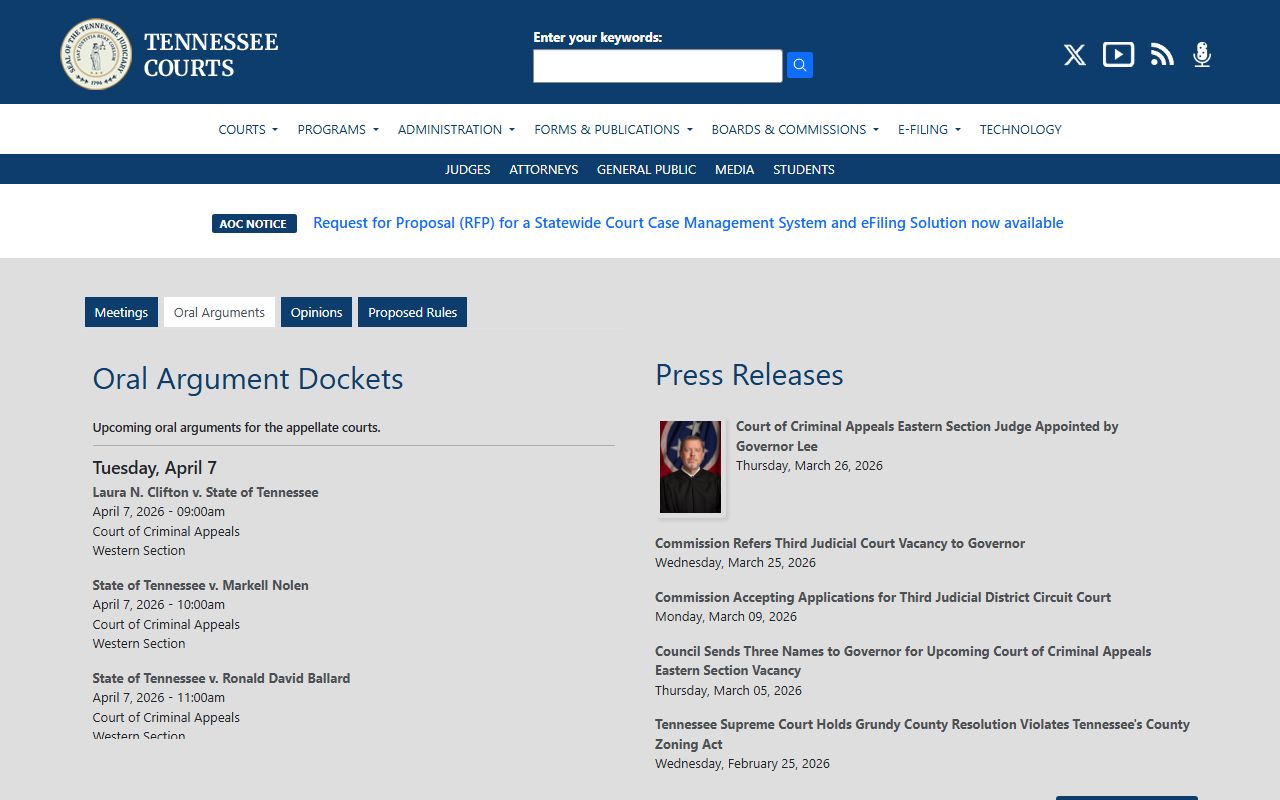
When the local image row is weak, a state court image keeps the page tied to an official Tennessee source.
Cleveland Divorce Decree Records
Bradley County gives Cleveland a practical court route. The Circuit Court Clerk at 155 North Ocoee Street, Suite 104, is the primary office for divorce records. The county clerk is at 155 Ocoee Street, Room 101, and the Clerk and Master is also in the courthouse area. That cluster matters because a divorce decree may need a follow-up from another county office if the file touches chancery or related paper records. A city page like Cleveland should stay tied to that courthouse cluster and not drift into a generic city summary.
For state help, Tennessee Vital Records is the proper certified certificate source at Tennessee Vital Records. The county research says mail requests need a completed form, ID copy, and payment, and verification letters are available for divorces from 1968 forward. That makes the state office a useful backup when you only need proof of the divorce and not the full decree. It is a different document, so it solves a different problem.
Older Cleveland record work can benefit from the Bradley County history note in FamilySearch, which says the county was created in 1836 and that some earlier records may have been lost. That is useful context, but it does not replace the courthouse. The courthouse is still the main destination when you want the actual Cleveland divorce decree. If the file is old, ask whether a local index or microfilm path exists before you assume it is gone.
The county records image should be treated the same way. If a local image is not available, use an official state fallback rather than a third-party record site with weak sourcing. That keeps the page aligned with the rule that official and high-authority sources come first.
Get Cleveland Divorce Decree Copies
To get a Cleveland divorce decree copy, start with the Bradley County Circuit Court Clerk and bring enough detail to narrow the file. Party names, a case year, and any case number make a big difference. If the divorce is older, mention that up front. Cleveland has a county-seat courthouse, so the local request can be handled in a direct way if the clerk has enough identifying details. That is the best path for a signed decree or a case file with terms that matter later.
If you only need a certificate, the state route may be enough. Tennessee Vital Records can provide the shorter record that confirms the divorce happened. If you need the decree language, the county court is still the right office. That split is important in Cleveland because some people ask for the wrong document first and only learn the difference after the fact. A short certificate does not replace the court order.
For forms and statewide case structure, use Court Approved Divorce Forms and Public Case History. Those resources help if the Cleveland divorce decree search is part of an active filing or an appeal-related question. They are support tools, not the record source itself.
Cleveland Help
Cleveland is straightforward if you keep the courthouse front and center. The city sits in the county seat, so Bradley County offices are the natural path. If the record is old, the history note suggests you may need to use an archive or state backup. If the record is recent, the Circuit Court Clerk is the right place to ask first. That is usually enough to get the search moving.
Keep your request short and focused. Use the county name, office name, and document type. Cleveland divorce decree searches do not need a long explanation. They need the right courthouse and the right date range. If you use the state certificate route, do that only when you need a proof copy instead of the full decree.
Note: Cleveland divorce decree requests usually move fastest through the Bradley County courthouse, with Tennessee Vital Records used only for the shorter certificate path.