
Columbia Divorce Decree
Columbia divorce decree searches usually begin at the Maury County courthouse on Public Square, then shift to the county archives on East 6th Street when the file is older or the first search is not enough. That is a practical path for a city that sits at the center of Maury County records. If you know the spouse names, a filing year, or even just a rough case clue, you can make the search faster. When the goal is proof of divorce, the state certificate route can help. When the goal is the court order, the county decree stays the better target.
Columbia Quick Facts
Columbia Divorce Decree Search
The main Columbia divorce decree path runs through Maury County, not a separate city court. The Maury County Circuit Court Clerk is at 41 Public Square, and the county research says divorce records are available from 1807 to the present. That long run matters. It means Columbia sits inside a county system with a deep file trail, not a short one. If you need a recent decree, the courthouse is the right first stop. If you need an older file, the archives can help connect the name to the case.
Use Maury County government as the first local web reference, then use Public Case History when you need a statewide case lookup by party name or case number. Those tools are useful, but they do not replace the office itself. They help you narrow the search before you ask for the actual Columbia divorce decree file.
The county portal image points to Maury County government.
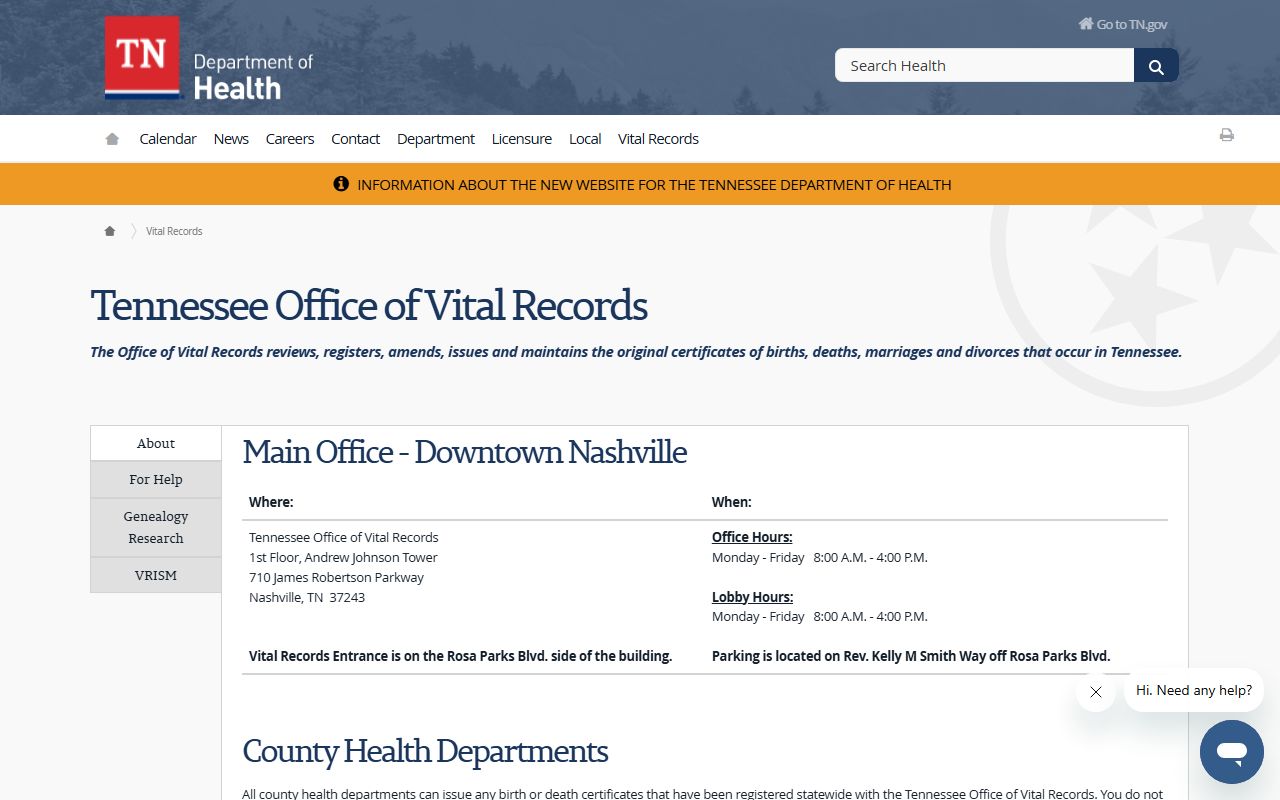
Because the local image row was weak, the state image keeps the page tied to the official Tennessee record path instead of a low-quality third-party source.
Columbia Divorce Decree Records
Columbia is useful because the record map is simple. The courthouse at 41 Public Square handles the active county record path. The Maury County Archives at 201 East 6th Street handles older material. The county notes also say the archives hold records from 1811 to the present, which gives you a real backstop when the courthouse search does not resolve the file right away. That is especially helpful for older family cases, property questions, or a decree that was filed long before online indexing became common.
For the county office, a narrow request works best. Include the spouse names, approximate date, and any case number you have. The county research says a request form may ask for those same details, and that is a strong sign that the offices want a focused search, not a broad story. If you are unsure whether you need a decree or a certificate, think about the use. A decree is the full court order. A certificate is the shorter state record. In Columbia, that distinction saves time.
For a state-level backup, Tennessee Vital Records is the cleanest certificate route at Tennessee Vital Records. The state office is also useful when you need a certified copy instead of a court file. If the Columbia decree has moved into historical care, the TSLA divorce FAQ at TSLA divorce records help explains how older records shift between county and state systems. That keeps the search grounded in official sources from start to finish.
Use the Columbia court image as a lead-in to the county portal, even when the fallback image is from a state source.
That keeps the page useful without relying on a weak local image row.
Get Columbia Divorce Decree Copies
If you need a Columbia divorce decree copy, start with the county offices and stay specific. Give the clerk the names as they appeared in the case, the likely year, and any detail that helps match the file. Maury County makes that easier than many places because the courthouse and archives are both well placed in Columbia. If the case is recent, the courthouse should answer first. If the case is older, the archives may be the better path. Either way, the file search stays local and direct.
For the state certificate path, Tennessee Vital Records is the correct fallback. That office is useful when you need a certified proof document, not the full decree language. The difference matters in Columbia because a court order may contain terms about property, custody, or support that do not appear in the shorter certificate. When you know the document type you need, the request gets much easier. That is the biggest practical point in this city.
The state courts site at Court Approved Divorce Forms and the Tennessee courts home page at tncourts.gov help if you are still at the filing stage or need to understand how the case would have been processed. The county record is still the goal, but the forms page helps explain the structure behind the Columbia divorce decree.
Columbia Help
Columbia works best when you keep the search tied to Maury County. The city does not have its own divorce court. The county courthouse does the work. The archives help when the file is older. The state certificate office helps when the need is narrower than a full decree. That is the cleanest way to avoid confusion and get to the right file set faster.
If you are calling or writing, keep the request short. Use the county name, the office name, and the document type. A Columbia divorce decree request does not need a long explanation. It needs names, dates, and the right office. That keeps the search efficient and respectful of the record trail that already exists in Maury County.
Note: Columbia divorce decree searches usually move fastest when you start at the Maury County courthouse and use the archives or state certificate route only when the file calls for it.