
Search Haywood County Divorce Decree
Haywood County Divorce Decree records are usually centered in Brownsville and handled through the county circuit court clerk. That makes the local courthouse the first place to check when you know the spouse names, the marriage date, the divorce date, or even only a rough year. The county research shows that divorce records include party names, marriage and divorce dates, property details, child provisions, and the final decree itself. That means the record can answer more than one question at once. If you need the full court order, the county file is the best path. If you only need proof that a divorce was granted, the state certificate route may be enough. A Haywood County divorce decree search should begin in Brownsville with the county record trail.
Haywood County Divorce Decree Search
The Haywood County Circuit Court Clerk is the main local office for a divorce decree search. The research places the office at Haywood County Courthouse in Brownsville, Tennessee, and notes that the clerk can handle in-person and mail requests. A local phone number was not available in the source material, so the safest approach is to use the courthouse contact route and ask for the current clerk office details before you visit. That keeps your search aligned with the county records office instead of sending you to a generic statewide source too early. That is the Haywood County divorce record path when you need the signed order.
Haywood County divorce decree records are strongest when you already know part of the case history. The county notes that the decree can include property provisions and child provisions, which is useful when the record is needed for family, property, or court follow-up. The county also has a historical note that divorce records run from 1860 to 1936 in FamilySearch, with marriage records from 1859 to 1959. That old range tells you the county has enough history to reward a careful search, especially if the filing year falls well before the modern clerk system.
For a statewide backstop, Tennessee Vital Records remains the official source for certified divorce certificates. The state office is the right fallback when you need the divorce proof but not the full court file.
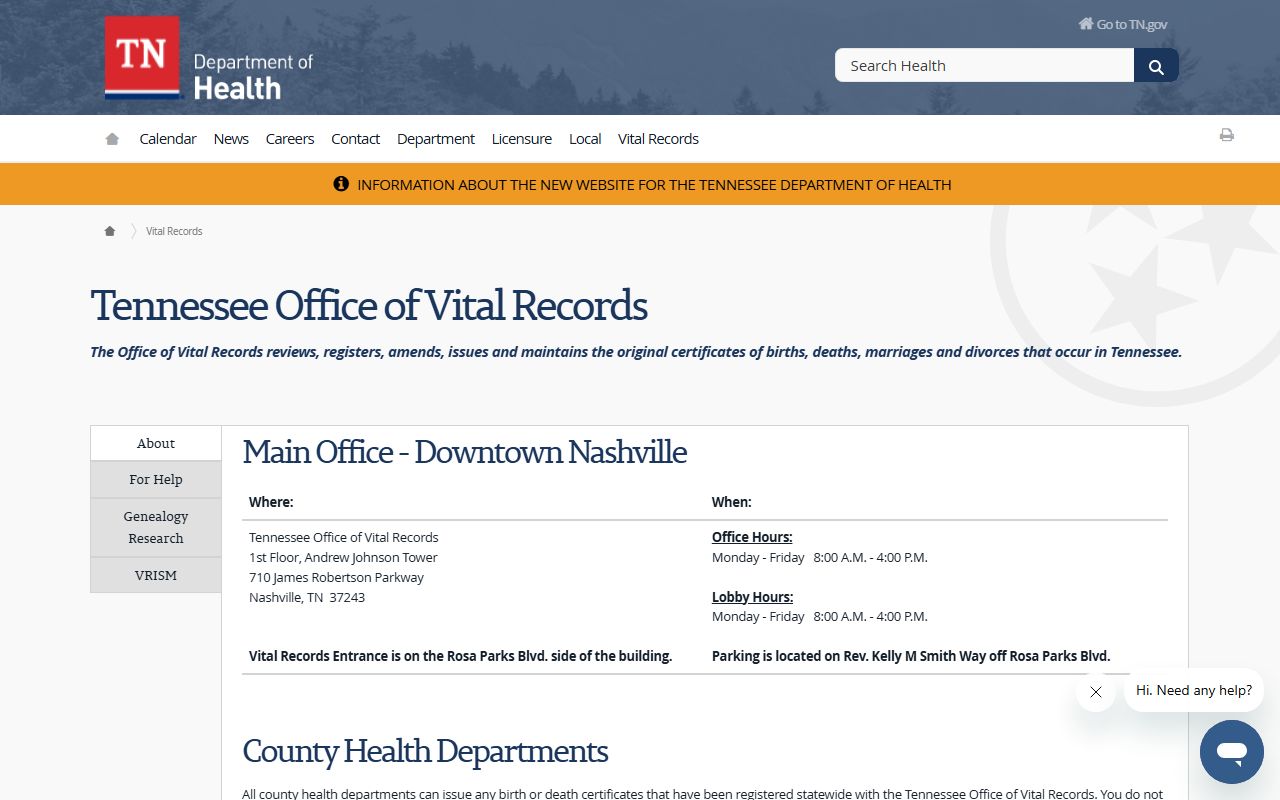
That state image is the clean fallback for Haywood County because the local manifest links were weak or failed.
When you are trying to get a Haywood County Divorce Decree, start with the courthouse, then move to the state office if you only need a certificate. That order usually saves the most time and keeps the request focused on the right record type.
Get Haywood County Divorce Decree Copies
Haywood County divorce decree copies can be requested in person or by mail, according to the research. In person is the fastest route when you can reach Brownsville, because the county lists same-day access as a typical outcome. Mail requests take longer, and the research suggests a one to two week range. That difference matters if the decree is needed for a legal name change, a title issue, or another time-sensitive court task. The county also notes standard copy fees, a $5 certified fee per document, and a $15 state certified copy fee if you choose the Tennessee Vital Records route instead.
The key detail is the content of the decree itself. Haywood County divorce records may include the party names, marriage and divorce dates, property division, and child provisions. That means the decree can be more useful than a short certificate when you need the actual court language. If the question is only whether a divorce was recorded, the state certificate is enough. If the question is what the court ordered, the county file matters more. That is the main split to keep in mind before you send the request.
If you need the state certificate path, use Tennessee Vital Records. If you need the filing guidance that leads to the decree, the statewide courts page at court-approved divorce forms can help explain the record trail.
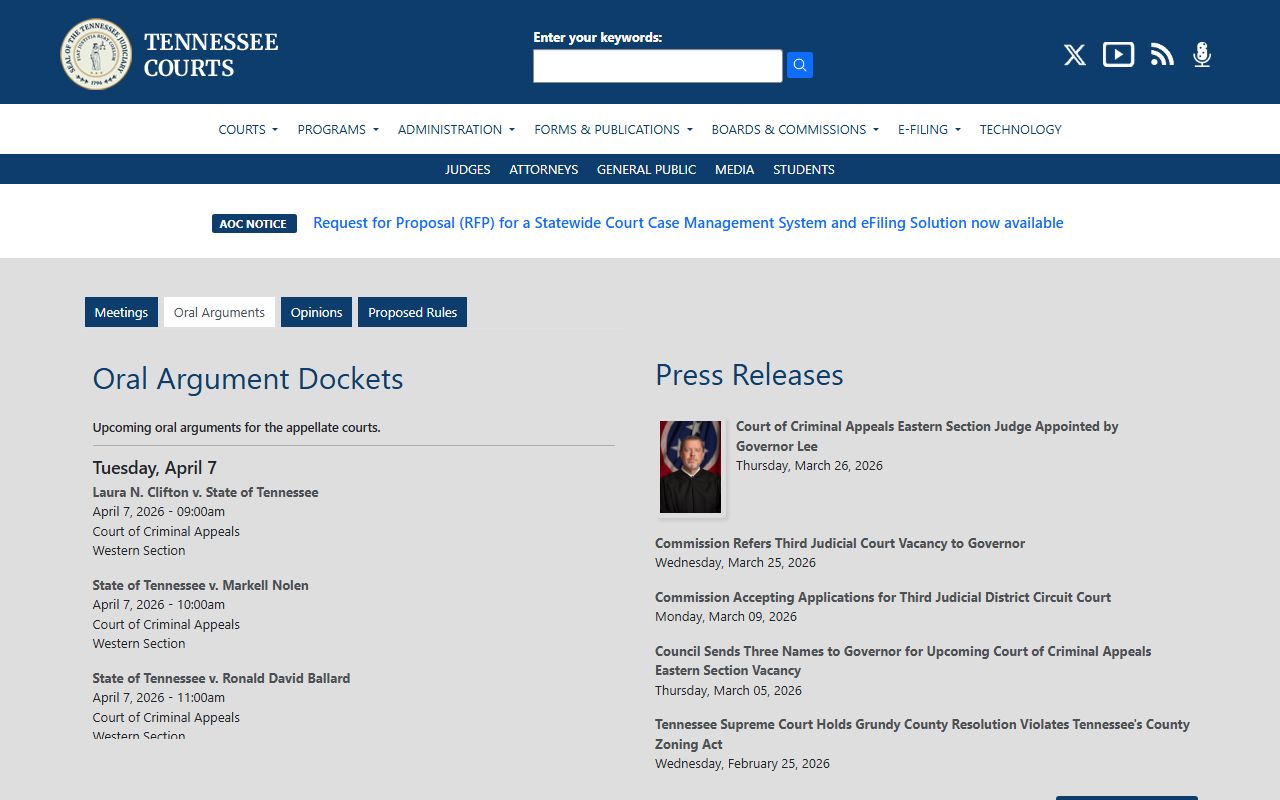
That image works as a second state fallback for Haywood County and keeps the page within official source limits.
For most people, the best request order is courthouse first, state certificate second. That keeps the search tied to the full decree before you move to the shorter copy.
Haywood County Divorce Decree Archives
Historical Haywood County divorce decree research is especially important because the county has a long record run in FamilySearch. The research notes divorce records from 1860 to 1936 and marriage records from 1859 to 1959. That span tells you there are older files that may not live in the active courthouse system anymore. If a request turns up a gap, the historical record range gives you a strong clue that the decree may be available through older county material or state-level historical references. That makes the Haywood County archive trail especially useful for older divorce decree records.
The Tennessee State Library and Archives is the official state backup when the local courthouse file is not enough. The TSLA divorce FAQ at How do I find divorce records? explains how older divorce records move through county custody and state preservation. That matters in Haywood County because the county history is deep enough that you may be dealing with a paper trail older than the active clerk file. When the divorce year is old, the archive path is often the safest next step.
Haywood County also fits the broader Tennessee record system. Divorce records can still point back to court files, but older matters often live in archives or historical collections. If you only need the official proof document, the state certificate route remains available through Tennessee Vital Records.

That state archive image is the safest visual fallback when the local manifest links are not reliable.
Because Haywood County has historical depth, the archive search often works best when you know the marriage year range, the divorce year range, or at least the family name. Those clues help narrow the record set quickly.
Haywood County Records
Haywood County divorce decree records are part of a larger public record trail. The county research says the records can include party names, marriage dates, divorce dates, property provisions, child provisions, and the final decree. That is the kind of detail people need when they are tracing a name change, a property matter, or a later family record. It also shows why the decree is different from a short certificate. The decree is the court order. The certificate is the proof summary. They solve different problems. Haywood County divorce records often carry property and child terms, so the decree is the better county record when those details matter.
The county also has standard public access. That means the clerk office can usually tell you what method fits the record and whether the file is available in person or by mail. If the case is recent, the local court office is usually the best place to begin. If the case is old, the historical record note from 1860 to 1936 suggests that archival research may be the more realistic route. That is especially true when the request is tied to a family line that has several generations in Haywood County.
The courts and forms pages are the most useful state tools for this county. Use Tennessee courts for the general court framework, court-approved divorce forms for the filing path, and Tennessee Code Title 36 when you want the state divorce law context that sits behind the decree.
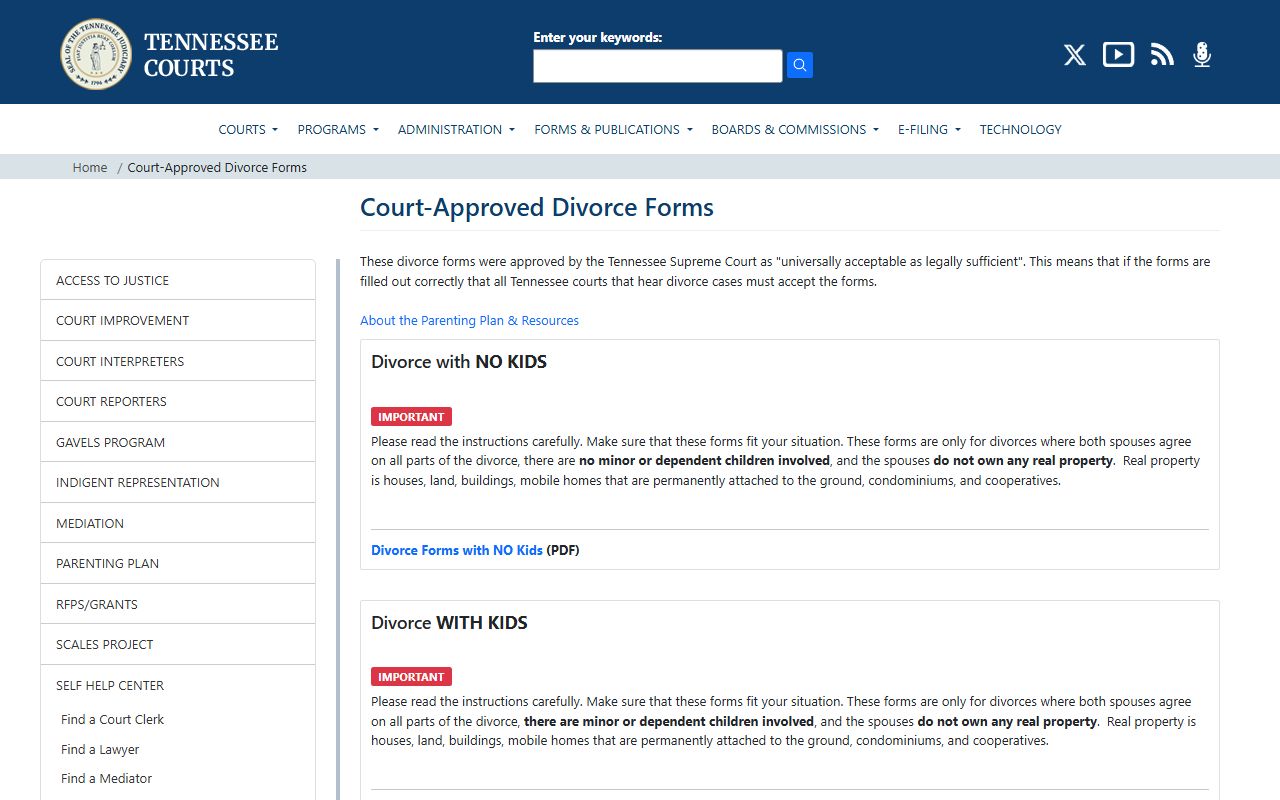
That image supports the court-side record trail and keeps the page on official Tennessee sources only.
Haywood County Help
When a Haywood County Divorce Decree search turns into a legal question, the state resources become more useful. The county file gives you the record. The Tennessee Bar Association can help with legal education and referrals if you need to understand what the decree means after you get it. That is a separate step from records access, but it often comes up in the same request. The key is not to confuse the two. For a Haywood County divorce decree, county and state tools should be used together.
The best sequence is simple. Start with the Haywood County Courthouse in Brownsville. If you only need proof, use Tennessee Vital Records. If you need older history, move to TSLA or the county's historical record trail. If you need filing help or legal context, use the courts site or the bar association. That sequence keeps the request narrow and avoids unnecessary loops between county and state offices.
The Tennessee Bar Association is useful when the decree question sits next to legal advice, a property issue, or a post-divorce paperwork problem. For the record search itself, the county office still comes first.

That final fallback image keeps the page aligned with the official state reference set.