
Search Macon County Divorce Decree
Macon County divorce decree records are usually easiest to start with at the Circuit Court Clerk in Lafayette, but the county portal and the court forms page also matter when you are trying to sort out a file by name, date, or case number. The county has a steady local record path and a useful forms set, so it works well for both recent decrees and older requests that need a clerk lookup. If you only need a certificate, the state vital-records route is still available. If you need the full order, the county court file is the better target. In Macon County, the divorce record trail usually stays close to Lafayette, which helps keep the county name and the document type together.
Macon County Divorce Decree Facts
Macon County Divorce Decree Access
The main local office for a Macon County divorce decree is the Circuit Court Clerk at 904 Highway 52 Bypass East, Lafayette, TN 37083. Research notes that the clerk is Rick Gann and that the office keeps divorce proceedings and case papers. That makes the clerk the first place to call when you have a spouse name, a rough filing date, or the case number. Macon County also has a useful set of court forms, including divorce forms for cases with and without minor children. Those forms help when the case is still active or when you want to understand what the decree file should contain. Macon County court record requests are easier when the clerk name, the filing year, and the decree all stay in the same sentence.
The county portal at Macon County government gives a second local route, while the circuit court forms page at maconcircuitcourt.com/forms helps you see the filing side of the process. The research also points to Tennessee Vital Records for certified divorce certificates and TSLA for older material. If the decree is recent, the clerk is the right stop. If the request is historical, the archive path may be better. The county is specific enough that the request method changes based on the age of the file, so it is worth checking both the local clerk and the state backup.
Macon County also has a useful historical pattern. The county was established in 1842, the divorce file is kept by the Circuit Court Clerk, and the court forms page shows the state pattern for cases with or without minor children. That means you can usually tell very quickly whether the file is current, historical, or only needed as a certificate. The county history note says records are largely intact, so the local route is often worth trying before you shift to TSLA. If you have a full name and a filing year, the clerk can usually tell you whether the file is active enough for a county copy or old enough to point toward a state archive search. The state certificate path is still useful for proof of divorce, but the county file is the one to use when you need the signed order, the filing trail, or the related forms that show how the case was handled. That keeps the request specific and saves time. In Macon County, the county name, the court record, and the decree all line up at the same office.
The Macon County circuit court forms page is a practical first reference when the divorce decree search is tied to an active filing or a missing form.

That office-backed forms path is the most direct county source for a decree file.
The county portal is another local checkpoint for Macon County divorce decree research.

Use it when you want the county side of the record path before you call the clerk.
Public Case History can help point you toward the file structure, even though the court office remains the real source.
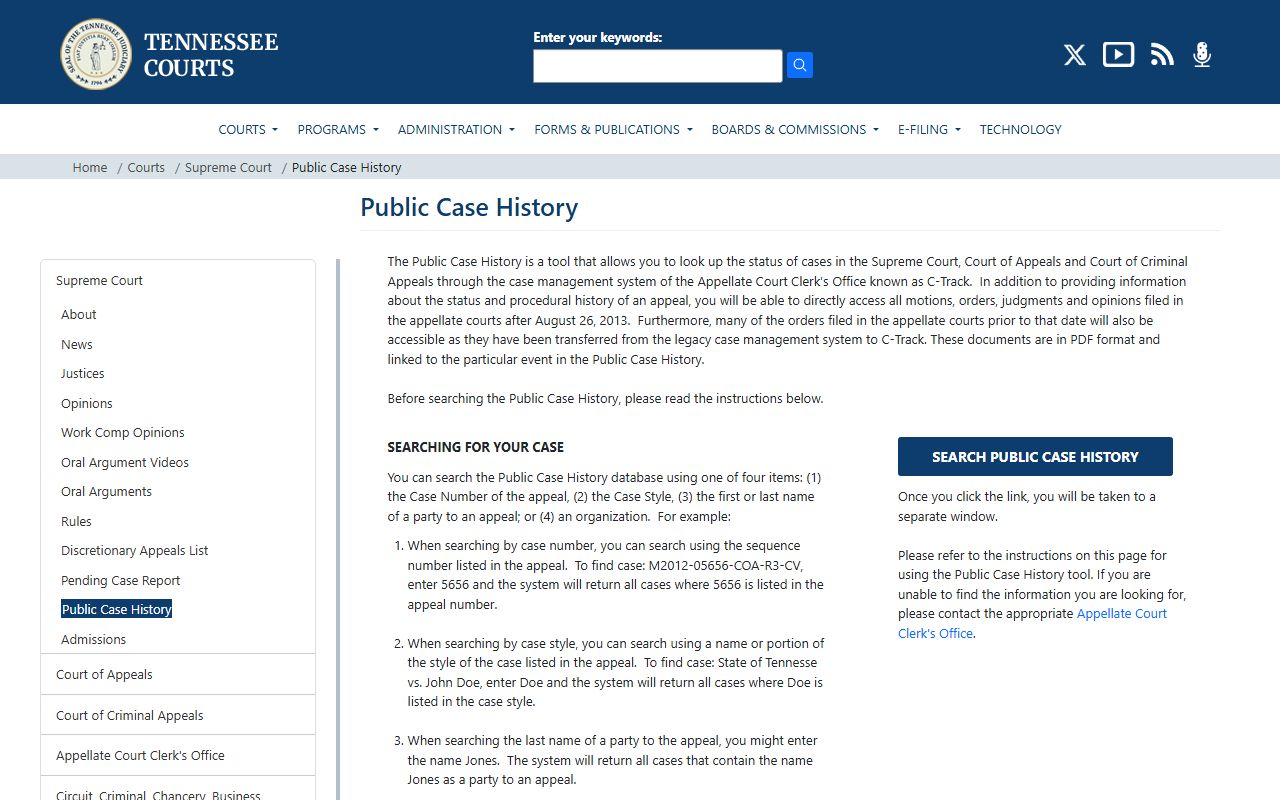
It works best as a lead, not as a replacement for the official Macon County court file.
Find Macon County Divorce Decree Records
Macon County records are strong enough that the clerk can often work from a full name, a date of divorce, and a case number. The research says valid ID is expected for in-person requests, and local court forms include both divorce with minor children and without minor children. That is useful because it shows the county keeps the divorce process tied to the same office that handles the decree. If you are searching from outside the county, start with the clerk phone number at (615) 666-2354 or the email maconcircuitcourt@gmail.com.
For historical work, the county note says Macon County records are largely intact and that the state archive has divorce records from July 1, 1945 to 1965 along with Macon marriage records and other local collections. That means a Macon County divorce decree search can move between the clerk, state vital records, and TSLA depending on the year. Tennessee Vital Records is still the better source for a certified divorce certificate. The court file is the better source when you need the decree itself or the related orders that sit in the county record.
Note: Macon County divorce decree research often moves faster when you already know whether you need the court file, the state certificate, or both.
Macon County Help
When a Macon County divorce decree question overlaps with filing, the state divorce-forms page is useful because it shows how the paperwork is supposed to flow. That matters if the case is still pending or if you need to understand what should have been filed. The Tennessee courts forms page at court approved divorce forms is the better statewide companion to the county file. It helps you identify the difference between the complaint, the decree, and the certificate track. For Macon County, that extra clarity helps because the court record and the certificate do not serve the same purpose.
For older records, the archive path is still important. TSLA can help when the file is beyond the current retention window or when you are using the county history to trace older court activity. That is especially useful in a county where the historical note says records are largely intact. The county is not the hardest place to search, but the right office still depends on the year and the document type.
Tennessee Vital Records remains the best state source when you need a certified copy rather than the full county decree.
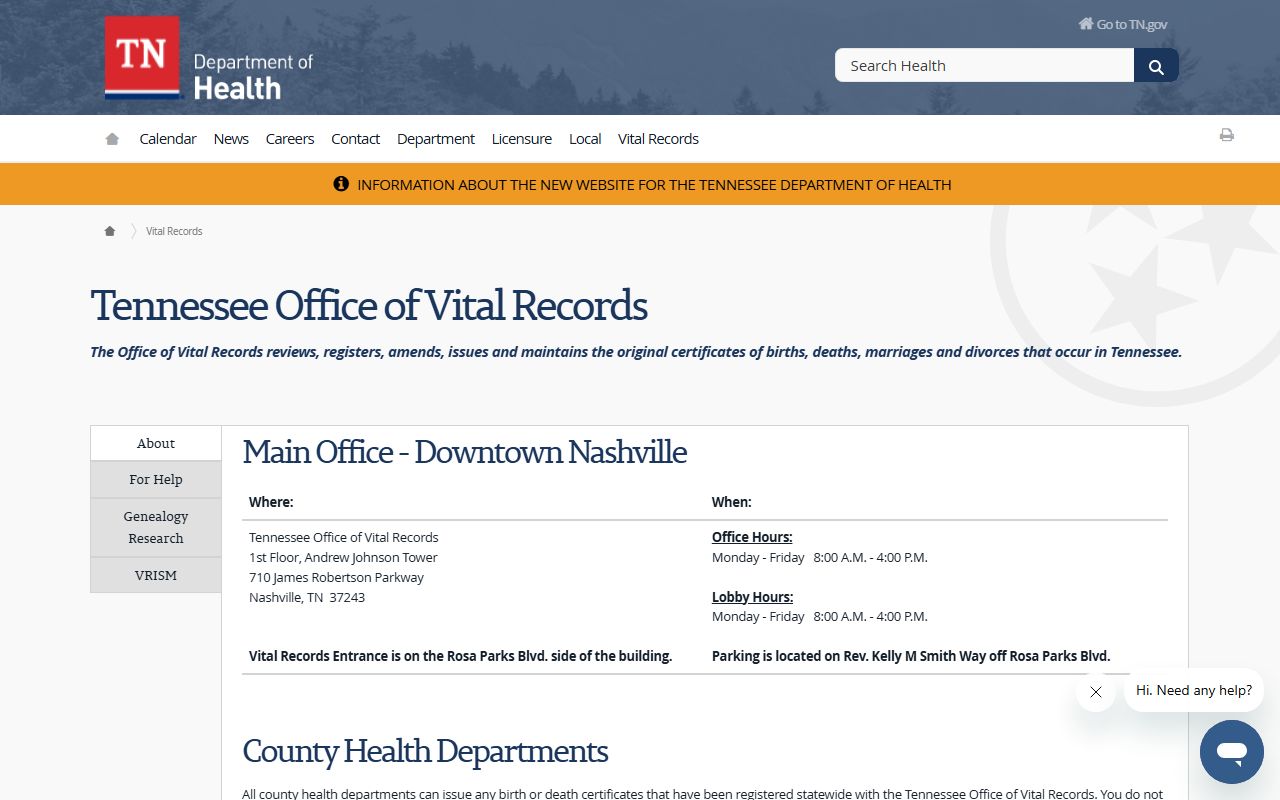
Use that route for the state certificate, then return to the county clerk if you need the decree file.