
Find Scott County Divorce Decree
Scott County divorce decree records usually start in Huntsville, where the county clerk, the circuit court clerk, and the clerk and master sit close to the same court center. That helps when you are trying to sort out a decree, a docket note, or a state certificate without wasting a day on the wrong office. In Scott County, that keeps the divorce record search local from the first step. The Justice Center at 535 Scott High Drive keeps the county court stack under one roof, and the official county site makes it easy to move from the directory to the right office. If the case is old, Tennessee archive material can help. If the case is newer, the local clerk offices are the better starting point.
Scott County Divorce Decree Facts
Scott County Divorce Decree Access
The main Scott County divorce decree path runs through the Justice Center at 535 Scott High Drive in Huntsville. The local site says the Justice Center houses the Circuit Court, Circuit Court Clerk, Chancery Court, Clerk & Master, Criminal Court, General Sessions Court, and the District Attorney General. That matters because a divorce decree can move through more than one office before it becomes the copy you need. The circuit clerk keeps the docket side, while the chancery side matters when the decree is tied to property or other equity issues. The county clerk is the place to start if you need marriage records or a basic office pointer.
The first Scott image points to the county archive route at the Tennessee State Library and Archives.

That archive image fits Scott County because older divorce material often lands in state preservation once the local record leaves the active file window.
For the local office tree, use Scott County Justice Center and Scott County Clerk. The directory lists Felicia Bilbrey as clerk, Donnie Phillips as circuit clerk, and Mike Potter as clerk & master. That is enough to get you to the right desk without guessing.
Felicia Bilbrey is the county clerk, and the county clerk office is the first stop for marriage records and related record help. The county clerk office is in the courthouse area at 283 Court Street, so the county record side stays close to the Justice Center. That makes the search easier when you need names, a marriage link, or a place to confirm the county seat before asking for the decree.
Scott County Divorce Decree Search Paths
Scott County is part of Tennessee’s Eighth Judicial District, which also includes Campbell, Claiborne, Fentress, and Union counties. That district detail helps because a case name may show up in one court note while the decree sits in another. In Huntsville, the Justice Center is the cleanest search point. The circuit clerk keeps circuit, criminal, and general sessions dockets, and the chancery side keeps divorce material that belongs in equity records. If you are trying to locate the right office, the county government page gives you the quickest path into the same system used by the court staff. A Scott County divorce decree request is easier when you keep the county seat and the court district together.
The second Scott image points to the state certificate path at Tennessee Vital Records.
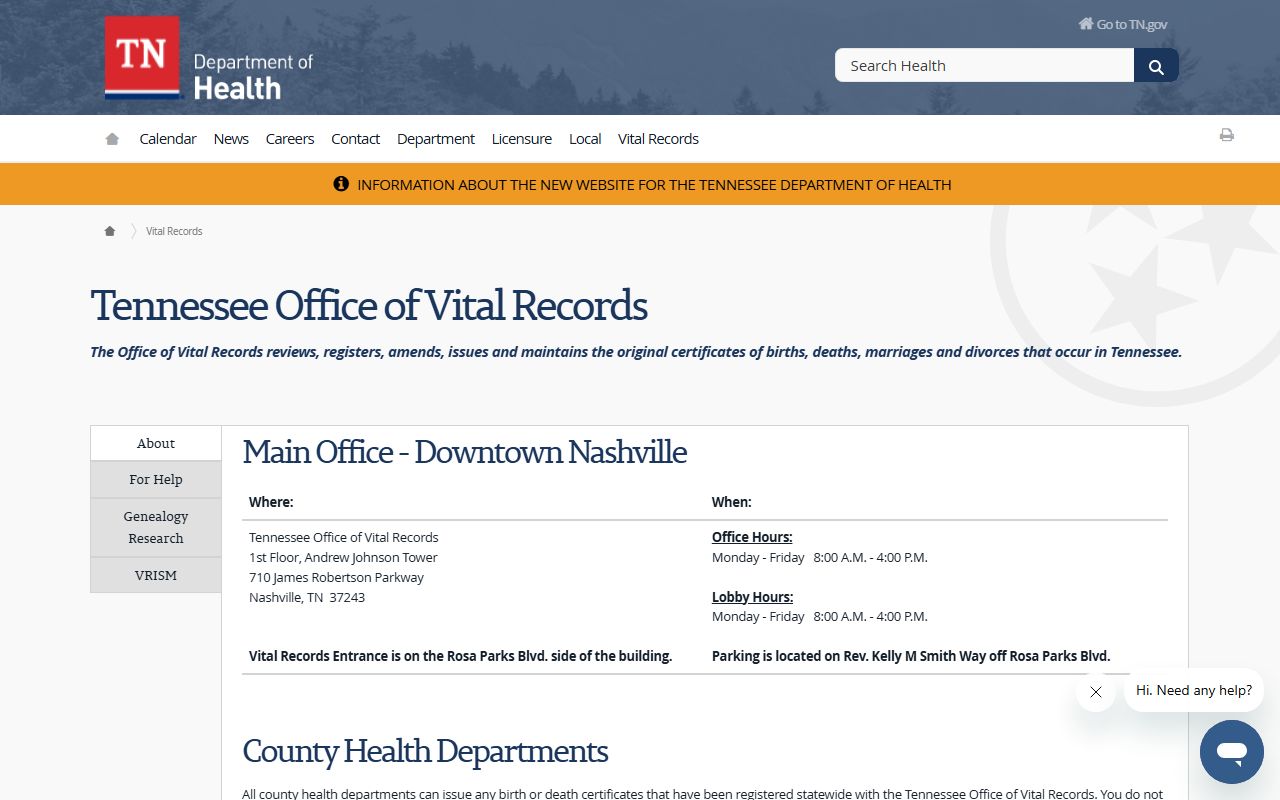
That page is the right fit when you need a certified divorce certificate rather than the full county decree file.
The current Scott County Chancery site says divorce is one of its core case types, and the Clerk & Master serves as the administrative records point for chancery work. That matters when the decree is tied to property, support, or another equity issue. The circuit clerk keeps the circuit side, so the office split is practical rather than abstract.
When the case is still active or you need filing guidance, the Tennessee Supreme Court approved divorce forms page is the best statewide support tool. It does not replace the county file, but it helps you understand the paper trail that leads into the decree. In a county this well organized, the forms and the local directory work well together.
Scott County Divorce Decree Copies
For a full Scott County divorce decree, the circuit clerk and the clerk & master are the most useful county contacts. The county clerk can help you verify names and marriage records, while the court offices control the case file itself. That makes the request process simpler than in counties where the court is split across multiple buildings. For Scott County divorce records, the Justice Center is the clearest county address to keep in mind. If you have a case number, bring it. If you do not, names and an approximate date are still enough to start a search in many cases. In Scott County, the decree and the divorce record stay close to the Justice Center office tree.
For a statewide certificate, use Vital Records. For historical files that have aged out of the active county window, use TSLA. Those two state tools fill the gap between the live county file and the older archive copy. The record type matters here. A certificate proves the event. The decree gives the court result and the terms.
For a Scott County Divorce Decree search, the county directory is the cleanest first step because it puts the Justice Center, the county clerk, and the court offices in one chain. That helps when you start with a surname or a rough year and need to decide whether the file belongs in circuit, chancery, or the state archive.
The county government pages also make clear that Scott County sits on the northern Cumberland Plateau and along the Tennessee-Kentucky border. That local geography matters less for the legal file, but it matters for your search route because many people come in with a county name from a nearby town or old family record, not a court number.
Scott County Divorce Decree Help
Scott County has a useful record system because the clerk offices are grouped in the Justice Center and the county site keeps current staff and office details in one place. That means your first stop can be a directory page, not a wild search. If you are working with a divorce that has property terms, custody terms, or other case detail, the chancery side is often the best fit. If you are only trying to prove a divorce happened, the state certificate route may be enough. For Scott County divorce records, that county-office split saves time and keeps the request precise.
The county site also makes it clear that Big South Fork country is part of Scott County identity. That does not change the record law, but it does help localize the page and the search. The county is rural, but the court structure is straightforward. Use the county clerk, circuit clerk, and clerk & master in that order when you are not sure where the record sits.
Note: If you start with the county directory and the Justice Center address, you can usually rule out the wrong office before you make a call or plan a visit.